Views: 0 Author: Site Editor Publish Time: 2025-05-12 Origin: Site
In the world of manufacturing, the importance of optimizing production efficiency cannot be overstated. Whether in garment factories, automotive upholstery, or any other industry relying on sewing machines, achieving consistent quality while minimizing downtime is essential. One of the most effective ways to improve manufacturing efficiency is through the use of customized sewing machine parts. These specialized components are designed to meet the exact needs of the production process, ensuring smoother operations, fewer interruptions, and ultimately, greater productivity.
This article will explore how customized sewing machine parts contribute to better efficiency by ensuring a perfect fit for specific tasks, reducing the need for frequent adjustments, and ensuring consistency in production quality.
One of the most significant benefits of using customized sewing machine parts is that they are designed to fit the specific needs of the manufacturing process. Unlike generic or off-the-shelf parts, customized components are tailored to meet the exact requirements of the task at hand. This can dramatically improve the overall performance of the sewing machine, ensuring smoother operations and faster production.
Customized sewing machine parts are often made with particular material types in mind. For example, different fabrics like denim, silk, leather, or stretch materials require different types of sewing components to ensure the best stitch quality and durability. A generic sewing machine needle, for instance, may not be ideal for heavy-duty fabrics like leather, which requires stronger, more durable needles. Custom-designed needles or presser feet are made to handle these fabrics with precision, reducing the risk of machine malfunctions, fabric damage, and subpar stitching.
For instance, consider a factory that produces garments made from a variety of fabrics. By using sewing machines fitted with customized needles or thread guides tailored to each fabric type, production can move more quickly, with fewer errors and less time spent on adjustments.
Certain tasks require more precision than others. Whether it’s a delicate embroidery process or intricate stitching for upholstery, customized parts can be designed to provide the required level of precision for these specialized tasks. For example, customized stitch plates and foot pedals are made to fit specific stitch types, such as double-stitch or zigzag stitching, which results in cleaner, more accurate seams.
Furthermore, some custom parts are designed to speed up production by reducing the need for manual intervention. For example, a specialized feeding mechanism can be designed for faster fabric feeding, or a custom needle plate can guide fabric more efficiently through the machine.
When customized parts are used, the machine operates more smoothly and at a higher level of precision. This reduces the number of defective products, saving time and resources. Workers also find it easier to perform tasks because the machine is designed to handle the exact materials and requirements, allowing for greater focus on quality and efficiency.
In most manufacturing environments, one of the significant factors that contribute to inefficiency is the constant need to adjust the sewing machines. Every time a machine has to be adjusted, whether it's recalibrating tension, swapping out a part, or making other changes, valuable time is lost. Custom sewing machine parts can help minimize these disruptions by fitting perfectly into the machine's intended purpose, reducing the need for constant adjustments.
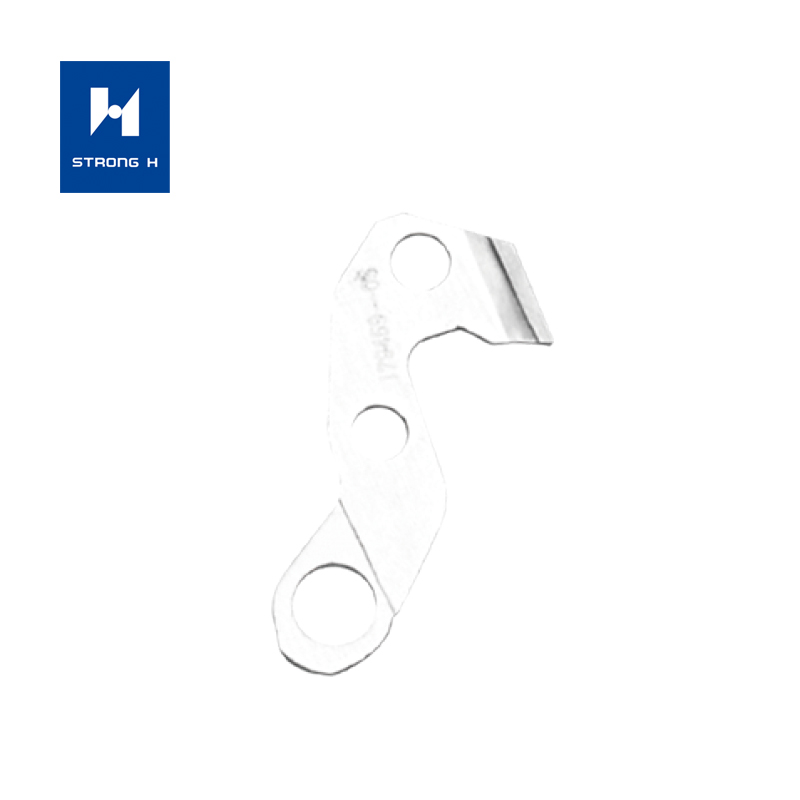
With customized components, manufacturers no longer need to spend as much time adjusting machines. For example, when using standard presser feet, operators may need to adjust the machine settings repeatedly to accommodate different fabric types or thicknesses. However, with a customized foot pedal or presser foot that is made for a specific fabric, these settings are much more stable, reducing the frequency of adjustments.
This is especially important in high-volume manufacturing settings, where even a small amount of time saved on each machine can result in significant improvements in overall productivity.
Customized parts ensure that sewing machines run more efficiently right from the start. Instead of constantly re-calibrating machines due to mismatched parts, manufacturers benefit from a stable and reliable setup. This ensures fewer machine stoppages and less time spent recalibrating, leading to a smoother and faster production process.
For example, a custom-designed thread guide can help prevent thread breakage or tangling, which in turn means the machine can run longer without stopping. Similarly, a custom-built tension adjustment system might be able to handle different fabrics without needing manual intervention every few minutes, allowing operators to focus on more important tasks.
Ultimately, the use of customized sewing machine parts reduces friction in the production process. With fewer adjustments needed, manufacturers can streamline operations, ensuring that each step flows smoothly without interruption. This can lead to a more consistent production rate, lower labor costs, and an overall increase in output.
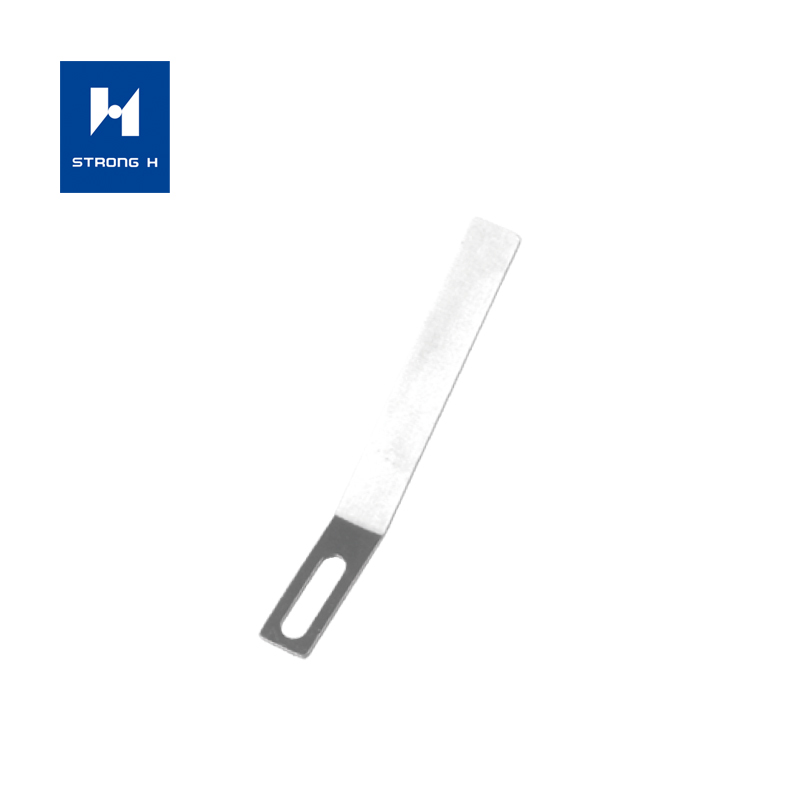
Another major benefit of using customized sewing machine parts is the improvement in production quality. Whether a factory is producing high-end fashion, durable uniforms, or upholstery, the consistency and quality of the finished products are paramount. Customized parts ensure that the sewing process runs smoothly, contributing to fewer defects and a higher standard of quality.
Custom parts are designed to ensure that stitches are even and consistent across all pieces. For example, custom-made sewing needles with special coatings are designed to glide through fabric smoothly, creating neat, uniform stitches every time. This is especially critical in industries like apparel, where stitch quality directly affects the appearance of the product.
Furthermore, custom parts help prevent issues like fabric puckering, thread breakage, or uneven stitch tension. By ensuring that the components are specifically suited to the task, manufacturers can achieve a higher standard of stitching without needing to constantly monitor or adjust the machine.
By achieving better quality stitching on the first pass, custom parts can reduce the amount of rework needed, which in turn reduces material waste. When defective products are created, time and resources are spent fixing the problem, which results in delays and increased costs. Custom components help ensure that each product is completed correctly the first time, minimizing the need for rework and reducing waste.
For instance, using a customized needle with the correct size and shape for a particular fabric can drastically reduce the number of broken threads, which means less fabric is wasted in the production process. Additionally, fewer defective items mean that fewer products need to be discarded or re-stitched, further improving overall efficiency.
When sewing machines are optimized with custom parts, manufacturers are better equipped to produce consistent products at scale. Customization ensures that every item produced on the line has the same high level of quality, making the production process more reliable and predictable.
This is especially beneficial in industries where high product consistency is critical. For example, in the production of safety gear or medical textiles, ensuring that every product is made to the same high standard is crucial for both safety and regulatory compliance.
In conclusion, customized sewing machine parts significantly enhance manufacturing efficiency. These parts are designed to fit specific tasks perfectly, reducing the need for frequent adjustments and ensuring consistent production quality. As a result, manufacturers experience smoother operations, less downtime, and improved product outcomes, making the entire production process more streamlined and cost-effective.
By incorporating customized parts, manufacturers can optimize their equipment's performance, leading to faster production times, fewer disruptions, and higher profitability. Whether the focus is on improving quality, reducing waste, or accelerating production, customized parts provide clear benefits that go beyond cost savings—they contribute to a more reliable and productive operation.
For businesses looking to improve manufacturing efficiency, STRONG H MACHINERY TECHNOLOGY Co., Ltd. offers a wide range of high-quality customized sewing machine parts. Their innovative solutions are tailored to meet specific needs, helping manufacturers stay competitive and maintain smooth, effective production processes. To learn more about how customized sewing machine parts can optimize your operations, visit STRONG H MACHINERY TECHNOLOGY Co.,LTD or contact them for further inquiries.