Views: 0 Author: Site Editor Publish Time: 2025-10-15 Origin: Site
You want your sewing machine to run smoothly. The feed dogs help move fabric with steady, even motion under the needle, so your stitches look neat. If these parts wear out, your sewing suffers. Strong H offers high-quality feed dogs and sewing machine parts you can trust.
Clean your feed dogs often to stop lint from building up. This easy step helps your sewing machine work well.
Check feed dogs for signs of wear or damage. Look for teeth that are smooth or bent. These signs mean you should replace them soon.
Keep a maintenance schedule that matches how much you sew. Clean every week if you sew every day. If you sew less, clean after 8 to 10 hours of use.
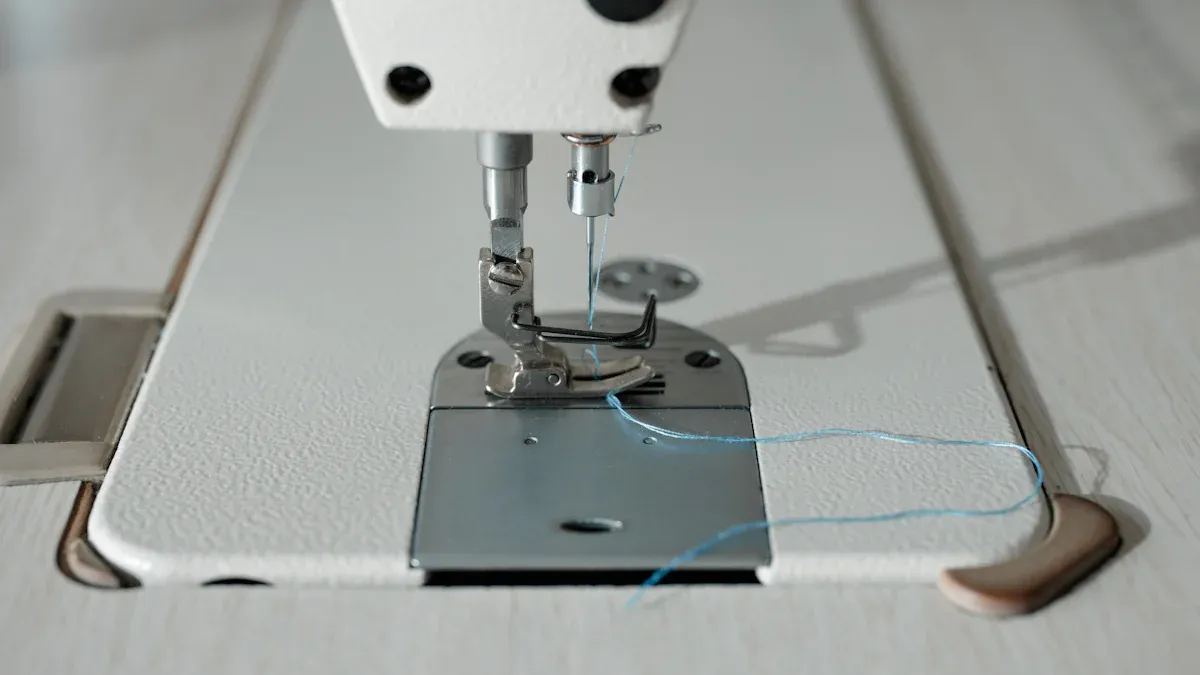
Feed dogs are small metal parts under the needle plate of your sewing machine. They look like rows of tiny teeth. These teeth move up and down as you sew. Their job is to grip the fabric and pull it through the machine. You get even stitches because feed dogs keep the fabric moving at a steady pace. If you want smooth fabric feeding, you need feed dogs that work well.
The design and material of feed dogs matter a lot. Some feed dogs, like the BALANCE 149057 TR Feed Dog, use hardened alloy steel and a special coating to prevent rust. Others, such as the PEGION 11414002 Feed Dog, use high-precision materials for industrial machines. These features help feed dogs last longer and keep your sewing accurate.
You use your sewing machine often. Over time, feed dogs start to wear out. Here are some common reasons:
You sew thick or tough fabrics. These fabrics put extra pressure on feed dogs.
You skip cleaning your machine. Dust and lint build up around feed dogs and cause problems.
You use your machine for long hours. Frequent use wears down the teeth.
You use the wrong needle plate or parts. This can damage feed dogs faster.
If you want your feed dogs to last, regular maintenance helps. Strong H offers replacement feed dogs made with durable materials. You can trust their parts to keep your machine running well.
You can spot feed dog issues if you know what to look for. Damaged feed dogs show clear signs:
The teeth look smooth or worn down. They do not grip fabric well.
Your fabric slips or bunches up while sewing.
Stitches look uneven or skip spots.
Feed dogs do not rise or move as they should.
You hear strange noises from under the needle plate.
When feed dogs wear out, they cannot grip the fabric. You get uneven stitching and fabric slipping. Sometimes, feed dogs move too high or too low, which messes up stitch quality. If you notice these problems, check your feed dogs right away.
Tip: Proper adjustments and maintenance of feed dogs help you avoid sewing trouble. If you need new feed dogs, Strong H has high-quality replacements for many machine brands.
If you want to keep your sewing machine working smoothly, pay attention to these signs. You can fix small problems early and avoid bigger repairs later.
You want your sewing machine to work its best. Cleaning the feed dogs is a simple way to keep everything running smoothly. Here's how you can do it:
Remove the stitch plate so you can reach the feed dogs.
Use a lint brush, tweezers, or even a toothpick to clear out lint and threads stuck between the teeth.
If you have an industrial machine, blow out dust with compressed air. Make sure the area is open so debris escapes.
For domestic machines, use a vacuum with a small hose attachment. This pulls out dirt without pushing it deeper inside.
Wipe the area with a dry cloth, like a Swiffer pet-specific cloth, to pick up hair and dust. You can use a sticky lint roller for quick clean-ups.
Put the stitch plate back in place. Make sure any position fingers line up correctly.
Tip: Clean your feed dogs regularly to avoid feed dog issues and keep smooth fabric feeding.
After cleaning, you should inspect the feed dogs. Look for signs of wear or damage. If you see teeth that look smooth, flat, or bent, it's time to replace feed dogs. You might notice skipped stitches or fabric slipping. These are signs that cleaning won't fix the problem.
Here's what you need to check:
Are the feed dogs gripping fabric well?
Do you see any misalignment or damage from needles or pins?
Is there visible wear or loss of grip?
If you answer yes to any of these, you should consider removing and replacing feed dogs. Strong H offers high-quality feed dog replacement procedures and parts for many machine brands. Their products make removing and replacing feed dogs easy and reliable.
Safety Note: Always unplug your sewing machine before you start cleaning or removing and replacing feed dogs. Use proper tools like screwdrivers, tweezers, and brushes. Take care not to drop small parts.
Regular maintenance helps you avoid feed dog issues and keeps your sewing machine in top shape. Here are some expert tips:
Clean your machine weekly if you sew every day. If you sew less often, clean after every 8–10 hours of use.
Change your needle after about 8 hours of sewing. This keeps feed dogs and other parts working well.
Use makeup brushes or microfiber cloths for gentle cleaning.
For industrial machines, tip the machine back for easier access. Oil daily as recommended by the manufacturer. Domestic machines need less frequent oiling.
Always check for lint buildup and damage after each project.
Keep sticky lint rollers and Swiffer cloths nearby for quick clean-ups between deeper cleaning sessions.
Here's a quick guide to cleaning frequency:
User Type | Cleaning Frequency | Oiling Frequency |
|---|---|---|
Daily or Frequent Users | Every week | Every 2 weeks |
Moderate Users | After every 8–10 hours of use | Once a month |
Rare Users | Before and after long storage | Before and after long storage |
Note: Industrial machines need more frequent maintenance because they run longer and harder. Domestic machines have easier schedules, but you still need to maintain feed dogs for best results.
If you follow these maintenance steps, you'll extend the life of your feed dogs and enjoy better sewing. When you need to replace feed dogs, Strong H makes feed dog replacement procedures simple with durable, high-quality parts. You'll notice smoother fabric feeding and fewer feed dog issues.
You want your sewing machine to last and give you smooth fabric feeding every time. Regular maintenance keeps feed dogs working well and helps you avoid costly repairs.
Clean feed dogs often to stop lint buildup.
Check their height and grip to catch problems early.
Choose Strong H for reliable parts and enjoy better sewing.
You should clean feed dogs every week if you sew daily. If you sew less, clean after every 8–10 hours of use.
You need a lint brush, tweezers, a small screwdriver, and a dry cloth. For industrial machines, compressed air helps remove dust.
Replace feed dogs when teeth look smooth or flat.
If fabric slips or stitches skip, it's time for new feed dogs.