Views: 0 Author: Site Editor Publish Time: 2025-09-25 Origin: Site
Choosing the wrong knife wastes leather and time. The Straight Knife is a trusted tool for clean, accurate cuts. In this article, you will learn how to select the right knife, compare options, and apply smart tips for safe, efficient leatherwork.
Leather is dense and unforgiving. A dull blade drags, tears fibers, and leaves rough edges. Sharpness is the first quality to look for in any leather knife. High-carbon or alloy steels often keep an edge longer and reduce downtime. For example, a Straight Knife with hardened steel can glide through thick belts where weaker steel would falter. Sharper blades also mean less hand pressure, which improves safety and accuracy.
Even the sharpest knife becomes frustrating if it feels awkward. Good balance between blade and handle reduces fatigue. Makers often shape handles to fit natural grips, letting you cut for hours without strain. For leather shops producing multiple straps or wallets, ergonomic tools directly affect output speed. A Straight Knife with a well-weighted handle gives control during long, precise cuts. Comfort is not a luxury; it is part of efficiency.
Not every tool is built for the same tasks. General knives, like utility cutters, are flexible but limited in finesse. Specialized knives, such as skiving or swivel blades, handle niche jobs like thinning or carving. The Straight Knife sits in between: versatile enough for long straight lines, yet strong enough for clean edges on thick hides. Shops often keep both categories at hand. Knowing when to reach for a specialty tool saves leather and time.
Tool Type | Best Use Case | Example Benefit |
General-purpose | Entry-level projects, quick cuts | Cheap and replaceable blades |
Specialized tools | Skiving, carving, edging, trimming | Precision for specific tasks |
Straight Knife | Belts, straps, accurate edges | Balance of control and strength |
A Straight Knife has a long, even blade that stays firmly in the leather during cuts. Unlike curved or skiving knives, it offers consistent depth and direction. This makes it a go-to tool for clean, straight lines. Its simplicity also allows quick sharpening compared to complex blade shapes.
When making belts or cutting straps, precision matters more than speed. A Straight Knife glides smoothly, giving exact widths without fraying edges. It works well on thick hides, producing professional results for products like belts, bag straps, or wallets. Many shops rely on it for batch production where accuracy reduces material waste.
Control comes from both blade length and handle comfort. Shorter blades suit detail work, while longer blades handle large hides. A wooden or ergonomic handle helps reduce fatigue in long sessions. Pairing the right size with the right grip ensures steady, balanced cuts.
Leather dulls blades quickly. Regular stropping keeps edges razor-sharp. For heavy hides, use sharpening stones to avoid drag. A straight edge must cut cleanly; dull blades cause uneven lines and wasted material. Many leatherworkers strop before each project for consistency.
Feature | Straight Knife | Round Knife (Head Knife) |
Cutting Style | Long, straight, accurate cuts | Curves, deep cuts, versatility |
Ease of Use | Beginner-friendly, simple technique | Requires skill to master curves |
Ideal Projects | Belts, straps, clean edges | Patterns, shaping, detailed cuts |
Limitations | Less agile for curves | Higher safety risk if misused |
Both knives are valuable. The Straight Knife is often a starter essential, while the Round Knife is better for complex shaping.
Always cut on a stable surface and use a steel ruler for guides. Keep fingers away from the blade path. Cut-resistant gloves reduce injury risk during long projects. Store the knife with a sheath to prevent accidents. Consistent habits protect both workers and materials.
Look for blades made of high-carbon or Japanese steel. Handles should feel balanced in hand and not slip under pressure. Many premium Straight Knives are double-beveled, allowing use in either hand. Trusted names in leather craft tools often offer replaceable blades or lifetime durability (brands omitted; verify based on market).
The Round Knife is one of the oldest tools in leather craft. Its half-moon blade handles thick hides and delicate curves with equal skill. Unlike a Straight Knife, which excels at long clean cuts, the Round Knife can pivot smoothly for circles and intricate shapes. Professionals often keep it nearby for complex patterns. However, it demands steady hands and practice, as mishandling can lead to deep slips.
A Skiving Knife removes thin layers from leather surfaces. It helps reduce bulk in straps, belts, or fold-over seams. Compared to a Straight Knife, it is not designed for full cuts but instead for precision shaving. Skilled use allows seamless joints in bags or shoes, where bulky overlaps could weaken stitching. Many Japanese models are highly valued for their sharpness and control.
The Swivel Knife is built for artistry, not just function. Its upright handle and chisel tip carve detailed lines into leather. This tool lets artisans add scrolls, floral designs, or lettering. While the Straight Knife handles construction, the Swivel Knife turns leather into art. Mastery requires practice, but the results can define the uniqueness of a finished piece.
Utility and Xacto knives are common entry tools. Their replaceable blades make them cheap and versatile. They are useful for beginners experimenting before investing in specialized gear. While a Straight Knife lasts longer with sharpening, these knives rely on frequent blade changes. Still, they offer reliability for pattern work, scrap cutting, or early practice projects.
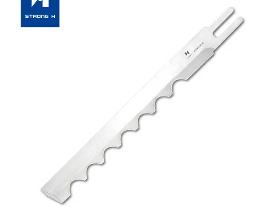
Strap cutters are designed to produce long, even strips of leather. They are especially helpful for belts, bag straps, and decorative laces. Unlike a Straight Knife, which needs steady hand control, strap cutters guide the leather through a set width. This makes cuts consistent across dozens of pieces. Adjustable models allow users to switch from wide belts to narrow laces without changing blades.
Rotary cutters resemble sharp wheels mounted on handles. They excel at quick, continuous cuts, especially when paired with a cutting mat. Compared to a Straight Knife, the rolling blade requires less downward force. This prevents stretching on thin leathers and boosts speed in repetitive tasks. Many workshops use them for both test patterns and production runs, where efficiency matters.
Trimming knives focus on small, precise tasks like shaping edges or cutting intricate designs. Bevel point knives add control when tapering edges or shaving small amounts of material. These tools complement the Straight Knife by handling the finishing work it cannot easily perform. Together, they create clean seams and polished details that elevate the quality of finished goods.
Shoemaking requires highly specialized tools. A Channel Knife cuts grooves for stitching, a Welt Knife trims thick soles, and Shoemaker’s Knives shape heavy leather. While a Straight Knife covers general construction, these tools solve specific problems in footwear and repair. Their angled or curved designs make them effective for tough areas like heels or stitched welts.
Tool Type | Primary Use | Key Advantage | Limitation |
Strap Cutter | Belts, straps, laces | Consistent, repeatable width | Limited to long strips |
Rotary Cutter | Straight, fast cuts | Speed and less material drag | Less control on curves |
Trimming/Bevel Knives | Edge shaping, fine details | Precision for finishing work | Slower on large cuts |
Cobblers’ Tools | Shoe soles, welts, repair | Designed for heavy-duty tasks | Niche applications |
Tip: Specialty tools are not replacements for a Straight Knife; they extend capability and reduce strain in repetitive or niche projects.
Every project calls for the right blade. A Straight Knife suits belts, straps, and general leatherwork where long, steady cuts matter. For bags, artisans may need skiving knives to thin seams. Bookbinders often choose paring knives for delicate pages and covers. Shoemakers use welt or channel knives for sole work. Matching blade type to product reduces waste and improves finish.
Thicker hides demand durable knives with sharp, stable edges. A Straight Knife can cut heavy belts cleanly when guided along the grain. For thin or soft leathers, flexible tools like rotary cutters prevent stretching. Paying attention to grain direction helps avoid uneven edges or tearing. Experienced crafters align cuts with the natural flow of fibers for smoother results.
Some knives rely on disposable blades. Utility or Xacto knives offer quick swaps but increase recurring costs. Straight Knives and round knives are built for sharpening and long-term investment. Shops producing in volume may prefer resharpening tools to control expenses. Consistent stropping ensures blades cut clean without drag, keeping efficiency high.
Cheap blades save money upfront but wear quickly. Premium knives—often made from high-carbon or Japanese steels—last longer and deliver cleaner results. A Straight Knife of higher quality may outlive dozens of utility blades. For B2B buyers, durability lowers replacement cycles, training costs, and downtime. Choosing wisely means balancing budget against reliability and performance.
A sharp blade saves time and protects material. For a Straight Knife, stropping is the fastest way to refresh the edge. Pull the blade gently across a leather strop, spine first, to polish away burrs. For deeper sharpening, use whetstones with fine and coarse sides. Regular maintenance keeps cuts smooth and prevents drag. Many professionals strop before each project and sharpen fully after heavy use.
Moisture and dust shorten the life of knives. Always wipe blades clean after work, then apply a thin oil coat to prevent corrosion. Store Straight Knives in sheaths or racks so the edges do not hit hard surfaces. Avoid throwing tools into crowded boxes, as this dulls blades quickly. A dry, organized drawer or wall-mounted holder keeps tools accessible and safe.
Even skilled workers face risk. A slip with a Straight Knife can cause serious cuts. Cut-resistant gloves reduce injuries when holding hides or guiding rulers. Gloves made from Kevlar or steel mesh provide different levels of protection. Many shops ask new staff to wear at least one glove on the guiding hand. It’s a small habit that protects workers and avoids downtime from accidents.
A dull knife is one of the biggest hazards in leatherwork. It requires more force, which increases the chance of slipping. A Straight Knife loses its advantage if not sharpened regularly. Instead of clean cuts, it drags through leather and leaves jagged edges. This wastes material and creates unsafe working conditions. Regular stropping and sharpening should be part of every workshop routine.
Different leathers call for different tools. A Straight Knife works best on thick belts and straps. On thin hides, however, it may cut too deeply and damage the piece. Skiving knives are better for thinning, while rotary cutters handle lightweight leathers without stretching them. Choosing the wrong knife leads to wasted hours and inconsistent products. Always test on scrap before committing to the main material.
Even the sharpest blade fails if the handle strains the hand. Long projects demand knives with ergonomic grips and balanced weight. A poorly balanced Straight Knife causes fatigue and shaky lines. Workers may push harder, increasing the chance of mistakes or injury. Selecting tools with comfort in mind helps teams maintain speed and quality throughout production.
Choosing wisely means balancing function, material, and comfort. The Straight Knife stands out as a core tool for belts, straps, and clean edges. Investing in quality knives and proper care ensures long-term results. Companies like STRONG H provide durable, precision-focused products and reliable services that help craftsmen work efficiently while maintaining professional standards.
A: A Straight Knife provides accurate cuts, ideal for belts and straps.
A: Pick blade length based on project scale; longer blades suit large hides.
A: A Straight Knife excels at long cuts, while Round Knives handle curves.
A: Regular stropping and sharpening keep a Straight Knife safe and effective.
A: A Straight Knife costs more upfront but lasts longer with proper care.