Views: 0 Author: Site Editor Publish Time: 2025-05-08 Origin: Site
In the fast-paced world of manufacturing, every business strives for cost-efficiency. It is common to assume that off-the-shelf sewing machine parts are the most affordable solution. After all, these parts are readily available, standardized for general use, and come with a fixed price tag. At first glance, they seem like the best option for manufacturers looking to save on upfront costs. However, this misconception often leads to hidden expenses that outweigh the initial savings, ultimately hindering long-term production efficiency.
While off-the-shelf parts may be cheaper in the short term, they can result in significant operational issues. These generic parts are designed to work with a wide variety of machines but fail to meet the specific requirements of specialized or high-performance equipment. In this article, we will explore why off-the-shelf sewing machine parts aren’t enough for modern production needs, and why investing in customized parts could ultimately save money and improve the overall efficiency of your operation.
When a manufacturing company opts for off-the-shelf sewing machine parts, they are often underestimating the long-term costs that will be incurred. These costs are not always immediately obvious but can have a considerable impact on the production line. Some of the hidden costs associated with using standard parts include machine downtime, frequent repairs, inefficiency in the production process, and increased waste.
1. Machine Downtime:
One of the most significant hidden costs of using off-the-shelf parts is machine downtime. When a standard part does not perfectly fit your machine, it can lead to operational disruptions. For instance, poorly fitting parts may cause machines to break down, stop functioning properly, or require frequent adjustments. Each time a machine is out of service, production comes to a halt, leading to delays in meeting deadlines and an overall loss in revenue. The longer the downtime, the higher the costs, as you need to make up for lost time and possibly incur labor costs to handle the repair process.
2. Frequent Repairs:
Off-the-shelf parts are designed to fit a wide range of machines, but that doesn’t mean they’re always compatible with yours. If a part is incompatible, it can lead to premature wear and tear, increasing the frequency of repairs. Standard parts may wear out more quickly under specific working conditions, such as high-speed sewing or working with thicker materials. This means you will likely need to replace parts more frequently, which translates into higher maintenance costs over time.
3. Inefficiency in Production:
While generic parts may fit your machine, they might not work at peak efficiency. Standard parts may not be optimized for your specific production needs, leading to reduced machine performance. For example, if you need precision stitching for intricate designs, using off-the-shelf parts may result in inconsistent stitch quality, slower production speeds, and higher error rates. This inefficiency can increase the cost per unit produced and delay production timelines, all of which negatively impact your bottom line.
4. Increased Waste:
Using parts that aren’t designed to suit the exact specifications of your machine can also result in increased waste. Machines that are not functioning optimally will produce more defective products. As production errors pile up, manufacturers may have to discard more materials or scrap products, which directly increases material costs and wastes valuable resources. This also impacts your overall profitability and environmental sustainability.
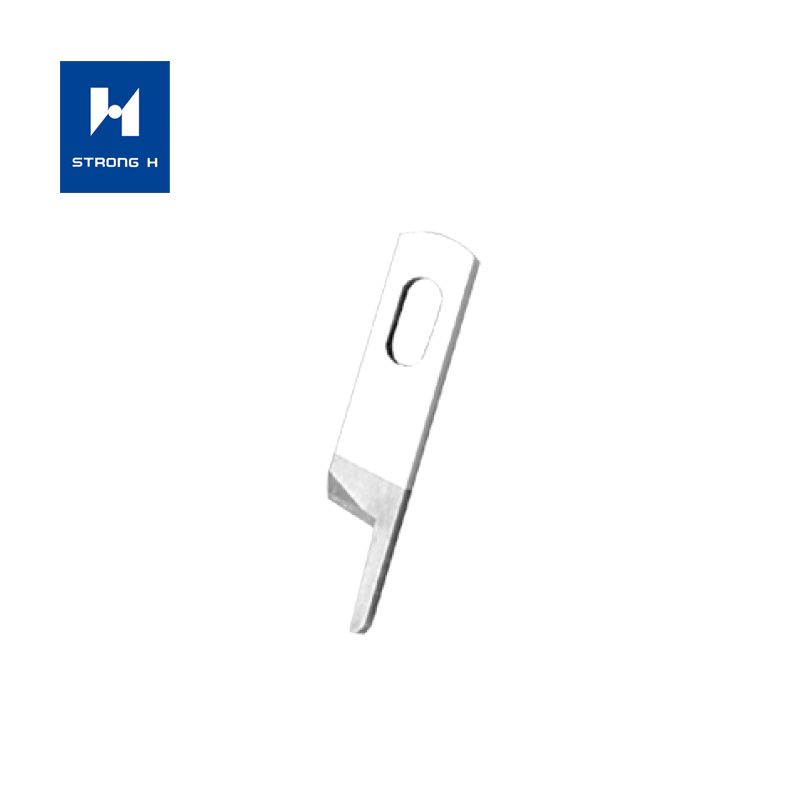
One of the primary reasons why off-the-shelf parts aren’t sufficient for your production needs is their lack of durability. Machines, especially those used in high-demand or specialized tasks, require parts that can withstand prolonged use without degrading. Customized sewing machine parts are engineered specifically for the demands of your production process, ensuring greater longevity and reliability over time.
1. Tailored Materials for Durability:
Custom parts are designed using materials that are better suited for the specific conditions of your production line. For example, certain fabrics may cause excessive wear on needles, gears, or other parts of the sewing machine. Customized parts are made from stronger, more durable materials that are resistant to the kind of stress and friction experienced in your specific manufacturing environment. This reduces the likelihood of premature wear and ensures that parts last longer, saving you money on replacements.
2. Reduced Mechanical Stress:
When generic parts are used in a machine, they often experience mechanical stress because they are not optimized for the machine's design and usage. Over time, this can result in frequent breakdowns or malfunctions. Customized parts, on the other hand, are engineered to handle specific loads, pressures, and operating speeds, reducing the mechanical stress placed on the machine. This ensures that your equipment operates smoothly for a longer period, preventing costly repairs and unplanned maintenance.
3. Improved Performance in Extreme Conditions:
Some production environments, such as those that work with heavy-duty materials or high-speed operations, place significant demands on machinery. Off-the-shelf parts may not be able to handle these conditions effectively. Custom parts, however, are built to handle the unique stresses and requirements of these environments. Whether it's a needle that can withstand high temperatures or a gear that can operate at high speeds, customized parts ensure that your machine continues to perform optimally under challenging conditions.
While customized sewing machine parts come with a higher upfront cost, they offer a higher return on investment (ROI) in the long run. This return is achieved through improved performance, reduced maintenance costs, fewer replacements, and less downtime. Let’s explore how investing in custom parts can ultimately save your business money over time.
1. Improved Performance and Efficiency:
Customized parts are designed to fit your machine's specific needs, leading to better performance and greater efficiency. With a more efficient production process, you’ll be able to produce more units in less time, ultimately increasing your overall output. This increase in efficiency means that you can meet customer demand more quickly and with fewer resources, translating into higher revenue and profitability.
2. Reduced Maintenance and Repair Costs:
One of the major benefits of customized parts is their durability. Because these parts are designed to last longer and withstand more stress, you’ll find that they require fewer repairs or replacements. The cost of replacing off-the-shelf parts regularly can quickly add up, but with custom parts, the need for such repairs is minimized. Fewer maintenance issues mean less downtime, allowing your production line to operate smoothly and without interruptions.
3. Increased Product Quality:
Custom parts are designed to work in harmony with your machines and the specific materials you use. This leads to more consistent, higher-quality output. A reduction in defects and waste directly contributes to better product quality, which can enhance your reputation, attract more customers, and allow you to charge premium prices. In the long run, the improved product quality generated by custom parts can help your business grow and stay competitive in the market.
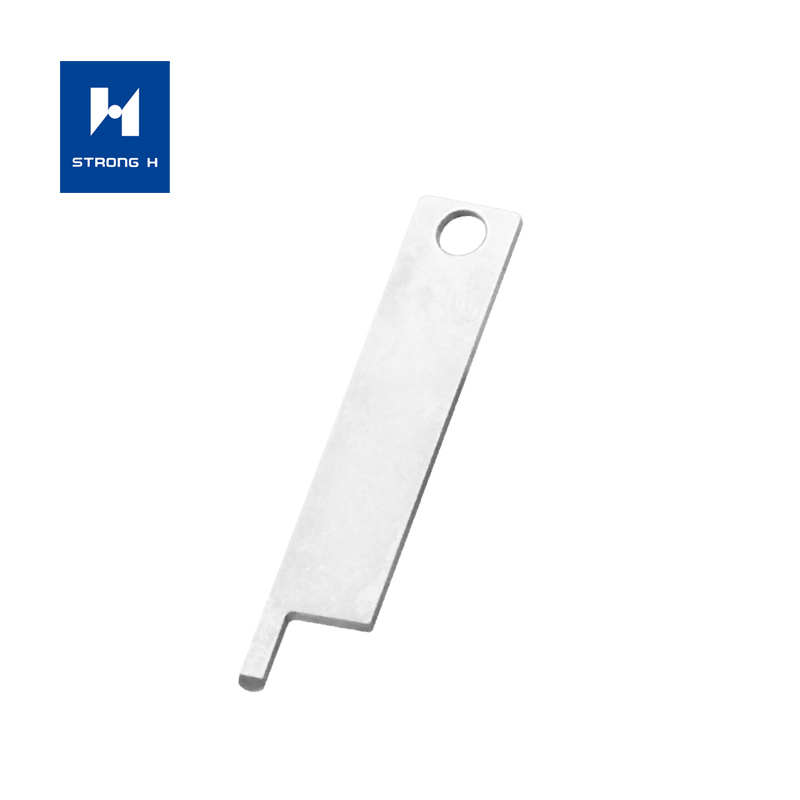
In conclusion, while off-the-shelf sewing machine parts may appear to be a more affordable option in the short term, they often lead to hidden costs that can undermine your production efficiency and increase overall expenses. These costs include machine downtime, frequent repairs, inefficiency in production, and higher waste. Over time, these factors can easily outweigh the initial savings of using standard parts.
On the other hand, investing in customized sewing machine parts offers a significant return on investment (ROI). Though the upfront cost may be higher, these tailor-made parts deliver superior performance, durability, and a perfect fit for your specific production needs. As a result, you’ll see fewer repairs, less machine downtime, and better overall machine longevity, all of which contribute to a smoother and more efficient production process.
For manufacturers looking to improve efficiency, reduce operational disruptions, and increase profitability in the long run, customized sewing machine parts are a smart financial decision. STRONG H MACHINERY TECHNOLOGY Co., Ltd. specializes in providing high-quality, custom-built components that meet the unique demands of your production processes. For more information or to inquire about their tailored solutions, visit STRONG H MACHINERY TECHNOLOGY Co., Ltd. Let them help you optimize your operations and keep your business competitive in the ever-evolving manufacturing landscape.