
 English


Views: 0 Author: Site Editor Publish Time: 2025-05-16 Origin: Site


When it comes to manufacturing, every component plays a critical role in the efficiency and quality of production. Sewing machines, as crucial tools in many industries, require precision parts that are designed to withstand the demands of high-volume operations. While off-the-shelf sewing machine parts may seem convenient and cost-effective, they often fall short of meeting the unique needs of manufacturers. This is where customized sewing machine parts come into play. By creating parts tailored specifically for a manufacturer’s production requirements, these custom components deliver superior performance, reliability, and longevity.
Customized parts are crafted to fit a specific machine and its operational needs. Unlike standard, mass-produced parts, they are designed with precision and built to meet exact specifications. Manufacturers opt for custom parts because they improve overall machine performance, reduce downtime, and enhance the lifespan of the equipment.
At first glance, the difference between customized and off-the-shelf sewing machine parts might seem subtle. However, there are several important factors that set them apart.
Precision: Off-the-shelf parts are designed to fit a wide range of machines, often with compromises in their precision. Customized parts, however, are tailored specifically for a manufacturer’s machine, ensuring a perfect fit and optimized performance.
Performance: Because custom parts are designed for a specific task or machine, they often perform better than generic parts. They are optimized to handle the specific demands of the machine, leading to fewer breakdowns, less wear and tear, and more efficient production.
Longevity: Custom components are made to meet the exact needs of a manufacturer, using durable materials that are suited to the environment in which they will be used. This leads to longer-lasting parts that don’t need to be replaced as frequently as their off-the-shelf counterparts.
Cost Efficiency in the Long Run: While the initial cost of customized parts may be higher, they provide greater value over time by reducing downtime, improving machine efficiency, and lowering the overall maintenance costs.
Every production line is unique, with its own set of requirements and challenges. Sewing machines in high-volume factories are subject to intense workloads, with each part of the machine designed to perform a specific task. Off-the-shelf components simply can’t meet these individualized needs with the same level of precision and durability.
Manufacturers often face challenges like frequent machine downtime, poor product quality, or inefficient production rates, all of which can be linked to the use of standard parts. Custom sewing machine parts, on the other hand, help address these challenges by offering solutions that are perfectly matched to the specific needs of the production process. Tailored parts ensure that the sewing machine operates at its full potential, reducing the risk of malfunction and enhancing overall productivity.
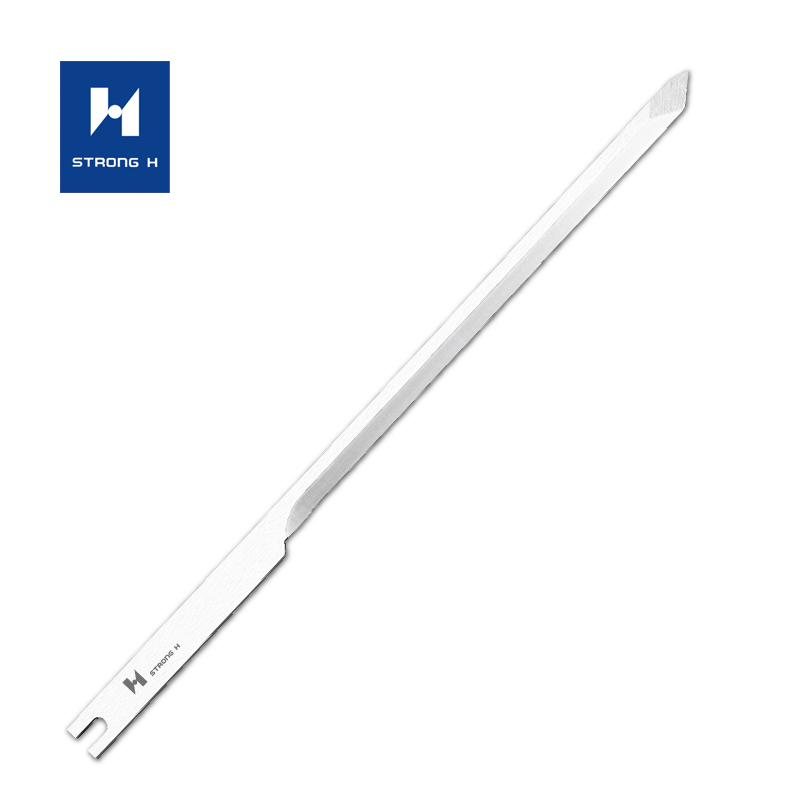
Creating customized sewing machine parts begins with an in-depth design process. This step is crucial for ensuring the final product will meet the exact specifications of the manufacturer.
Initial Consultation: The design process starts with a consultation between the manufacturer and the engineering team. The purpose of this meeting is to understand the specific needs and challenges of the production process. The manufacturer provides detailed information about the machine's functions, performance goals, and any recurring issues they may be experiencing with off-the-shelf parts.
Design Specifications: Based on the information provided, engineers create detailed design specifications for the part. This includes dimensions, material preferences, and performance expectations. Computer-aided design (CAD) software is often used to create accurate 3D models of the part, allowing the manufacturer to visualize how it will fit into the machine.
Iterative Design Process: Custom part designs often go through several iterations. Feedback from the manufacturer is crucial in refining the design to ensure it meets their expectations. Adjustments are made to the CAD models, taking into account any necessary changes or improvements.
Collaboration: Collaboration between the manufacturer and the engineering team is key during this phase. Regular communication ensures that the final design aligns with the manufacturer’s requirements. The goal is to create a design that not only fits perfectly but also enhances the machine's overall performance.
One of the most critical aspects of creating customized sewing machine parts is selecting the right materials. The material chosen for each part has a direct impact on its performance, durability, and cost-effectiveness.
Durability: The right material will ensure that the part can withstand the wear and tear it will face during operation. Components that experience high stress, friction, or exposure to chemicals must be made from materials that are durable and resistant to damage.
Corrosion Resistance: In environments where the sewing machines are exposed to moisture or harsh chemicals, materials with corrosion resistance, such as stainless steel or specific alloys, are necessary to ensure longevity.
Weight and Strength: The weight and strength of the material must be balanced to ensure that the part doesn’t add unnecessary strain to the machine or reduce its performance. For example, lighter materials might be used in parts that need to move quickly, while heavier, stronger materials may be used in parts that handle more substantial tasks.
Cost Considerations: Material costs play a significant role in the overall cost of the custom part. Engineers work with manufacturers to select materials that strike a balance between performance and cost, ensuring that the final product is both high-quality and cost-efficient.
Once the design and materials are finalized, the next step is prototyping. Prototyping is a crucial phase in the creation of customized sewing machine parts, as it allows manufacturers to test the functionality of the design before moving to mass production.
Creating Prototypes: Using advanced manufacturing technologies like 3D printing, CNC machining, or injection molding, the prototype is created. This allows the manufacturer to see how the part will fit into the machine and how it performs in real-world conditions.
Functional Testing: The prototype undergoes rigorous testing to ensure it meets performance expectations. This includes checking the part’s functionality, durability, and ability to withstand the conditions in which it will be used. Any issues that arise during testing are addressed by adjusting the design or materials.
Quality Control: Each prototype is carefully examined for defects and imperfections. The manufacturing team ensures that the part adheres to strict quality control standards, checking for consistency, fit, and performance.
Iterative Improvements: If any issues are identified during the testing phase, the design is revised, and a new prototype is created. This iterative process continues until the part meets the necessary requirements and specifications.
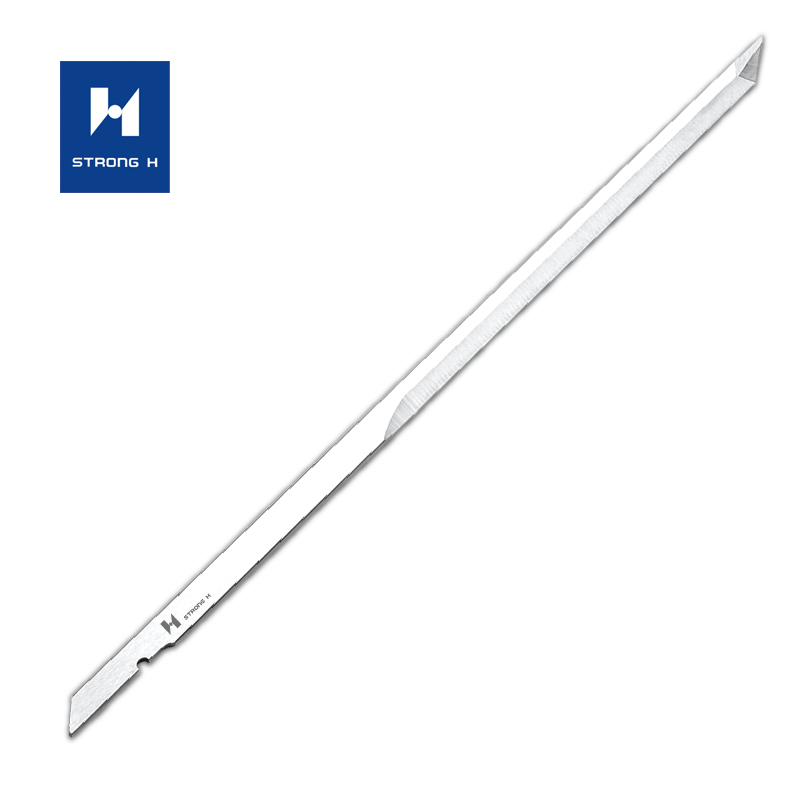
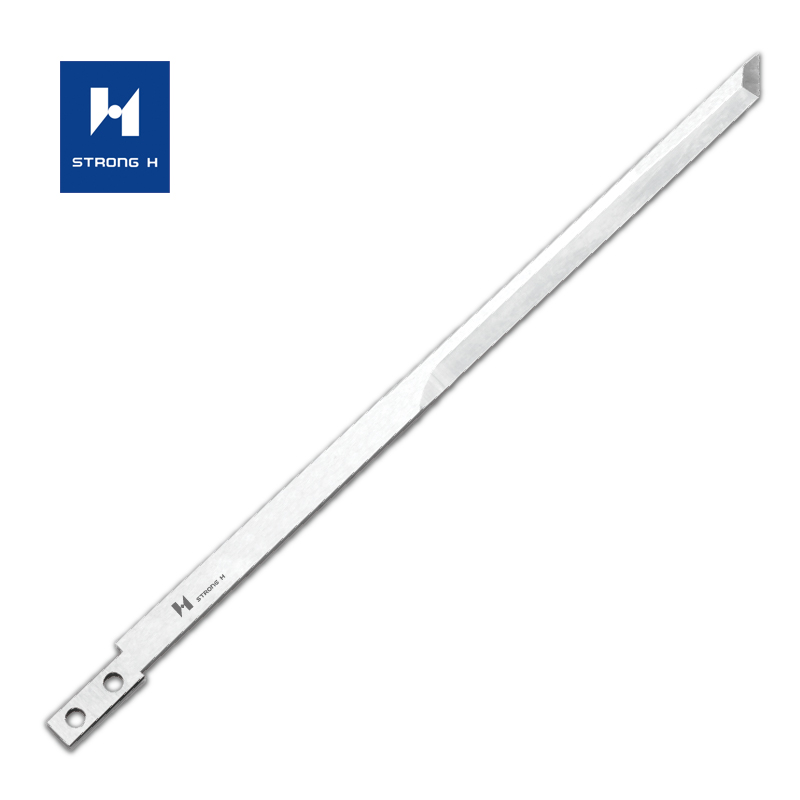
Creating customized sewing machine parts is a detailed and precise process that requires careful planning, design, and testing. From understanding the unique needs of the manufacturer to selecting the right materials, every step plays a critical role in ensuring that the final product meets the highest standards of quality and performance.
By understanding the process of creating custom parts, manufacturers can make more informed decisions about their equipment, ensuring that they invest in parts that improve efficiency, reduce downtime, and enhance overall productivity. Tailored solutions not only optimize machine performance but also help manufacturers stay competitive in an increasingly fast-paced and demanding industry. Ultimately, the process of customizing sewing machine parts enables manufacturers to achieve perfection in their operations, making it a worthwhile investment in the long run.


