Views: 0 Author: Site Editor Publish Time: 2025-09-18 Origin: Site
Have you ever struggled with sewing mistakes? Knowing Sewing Machine Parts helps you sew faster, fix issues, and create with confidence. In this article, you will discover why understanding each part is essential for better sewing results.
Learning to sew is exciting, but it can feel overwhelming at first. Many beginners face anxiety when they see a machine filled with knobs, levers, and hidden parts. By understanding the main Sewing Machine Parts, both new and experienced users gain confidence, control, and the ability to create smoother projects. This section explains how part familiarity reduces stress, improves learning speed, and builds skills step by step.
When you first sit down at a sewing machine, the number of parts may seem confusing. Knowing where the bobbin, presser foot, and tension dial are located instantly reduces that stress. Instead of guessing, you can clearly identify what each piece does and why it matters.
● Bobbin system: Holds lower thread to form stitches.
● Presser foot: Keeps fabric steady under the needle.
● Tension dial: Balances thread tension for smooth stitches.
Once beginners see how these elements work together, they stop fearing mistakes. Instead, they begin to trust the machine.
Every sewing task relies on core Sewing Machine Parts. The bobbin system manages the thread beneath the fabric, while the presser foot keeps material stable as the needle moves. The tension dial ensures stitches are balanced, preventing loose loops or broken threads.
Practical example:
● If fabric puckers, adjusting the tension control often solves it.
● If stitches skip, replacing or repositioning the needle helps.
● For quilting, switching to a walking foot gives more even results.
By linking each problem to a specific part, you can troubleshoot quickly without outside help.
Understanding Sewing Machine Parts is like learning the alphabet before writing. Once you know the basics, you can experiment with new techniques faster. For example, embroidery becomes less intimidating when you know how to swap presser feet and adjust stitch settings.
Beginners who practice identifying and naming parts develop faster hands-on skills. They spend less time stuck on simple errors and more time building creativity. Advanced sewers also benefit because they can adapt machines to different fabrics without hesitation.
Accuracy is one of the biggest goals in sewing. When stitches are uneven or fabric shifts during stitching, projects lose their professional look. By understanding Sewing Machine Parts, you can directly influence stitch quality, fabric handling, and overall results. This section explores how core parts support accuracy and why mastering them is vital for both hobby and professional sewing.
Three parts—needle plate, feed dogs, and tension dial—work together to control stitch formation.
● Needle plate: Provides a flat base and guides fabric straight.
● Feed dogs: Move fabric evenly under the needle.
● Tension dial: Balances thread pull to keep stitches uniform.
If stitches look loose or fabric bunches, the tension dial is usually the first place to check. Clean feed dogs and a properly aligned needle plate prevent skipped stitches and crooked seams.
Example: Quilters often rely on a smooth needle plate and clean feed dogs to maintain straight lines over multiple fabric layers.
The presser foot may look simple, but it’s one of the most versatile Sewing Machine Parts. Using the wrong presser foot often leads to poor results.
● Zipper foot: Helps sew close to zipper teeth.
● Walking foot: Prevents fabric shifting during quilting.
● Buttonhole foot: Ensures even buttonholes every time.
Switching feet according to the project saves time and improves accuracy. For example, using a walking foot on slippery fabric like satin avoids uneven stitching. Small adjustments like this create visible professional improvements.
Skipped stitches and thread tangles frustrate many users. Often, these problems are linked to incorrect use or lack of maintenance of specific Sewing Machine Parts.
● A bent needle may cause skipped stitches.
● A dusty bobbin area can break threads.
● Incorrect tension leads to loops or knots.
By knowing how each part interacts, you can quickly identify root causes. Instead of trial and error, you troubleshoot with precision, saving both fabric and time.
Sewing Issue | Related Part to Inspect | Result When Corrected |
Uneven stitches | Tension dial and feed dogs | Balanced and straight stitch lines |
Puckered fabric | Presser foot and tension dial | Smooth seams without wrinkles |
Skipped stitches | Needle and needle plate | Consistent stitch formation |
Thread breaking | Bobbin area and tension system | Longer sewing runs without breaks |
Tip: In production environments, documenting adjustments to presser feet and tension settings reduces defects and training costs for new operators.
A sewing machine works smoothly only when its parts are in good condition. Without proper care, even small issues can lead to downtime, costly repairs, or ruined projects. By learning to recognize and maintain key Sewing Machine Parts, you keep your machine reliable and extend its life. This section highlights common wear-prone parts, cleaning routines, and simple troubleshooting practices that every sewer should master.
Some parts naturally wear out faster than others. Knowing which ones to monitor prevents unexpected breakdowns.
● Needles: Bend or dull after 6–10 hours of sewing.
● Bobbins: Plastic types can crack; metal bobbins may rust if not cleaned.
● Belts: Over time, belts stretch, slip, or dry out, affecting motor performance.
Replacing these parts on schedule avoids skipped stitches, thread jams, and uneven seams.
Dust, lint, and stray threads build up inside every machine. Regular cleaning of internal Sewing Machine Parts keeps them moving freely.
● Use a soft brush or compressed air for feed dogs and bobbin cases.
● Apply sewing oil to the shuttle race and other moving parts.
● Wipe off extra oil to prevent fabric stains.
Routine care not only improves stitch quality but also reduces part wear.
Loose screws or misaligned parts cause small problems that grow into expensive repairs. Look out for:
● Wobbling presser feet.
● Misaligned needle plates.
● Belts slipping off pulleys.
Early detection means you can tighten or realign parts before damage spreads.
Not every broken part requires professional repair. Many basic Sewing Machine Parts can be swapped at home.
● Replace: Needles, bobbins, presser feet, and belts.
● Repair: Motors, electronic control boards, or cracked housings.
Following the manual helps you decide whether DIY replacement is safe or if expert service is needed.
User manuals often include diagrams of internal parts. These guides help you find hidden screws, covers, or oiling points. Manufacturers also provide troubleshooting charts that link specific problems to related parts. Keeping manuals handy ensures you won’t miss crucial maintenance areas.
Many service calls stem from simple issues—dirty bobbin areas, mis-threaded machines, or worn needles. By recognizing how each part functions, you can fix minor problems yourself. This knowledge saves money and minimizes downtime, especially in business settings where machines run daily.
Thread jams are among the most common complaints. In most cases, the cause lies in the bobbin compartment.
● Dust or lint blocks thread movement.
● Incorrectly inserted bobbin twists thread flow.
● Worn bobbin case creates uneven tension.
By cleaning and reloading the bobbin, jams resolve within minutes—no technician required.
Knowing how to use Sewing Machine Parts correctly is more than a technical skill. It directly impacts project costs, repair expenses, and productivity. When users understand how each part works, they waste less fabric, solve problems faster, and keep machines running longer. This section focuses on practical ways knowledge of parts saves both time and money.
The wrong needle or poor tension setting can ruin expensive fabric. Small errors like skipped stitches, holes, or puckering waste material that can’t be reused.
● Correct needle type: Choose ballpoint for knits, sharp for woven, heavy-duty for denim.
● Correct needle size: Finer fabrics need smaller sizes; thick fabrics need larger.
● Proper tension: Balanced tension keeps stitches straight and fabric smooth.
By understanding these Sewing Machine Parts, users cut mistakes early. Less trial and error means reduced waste and higher efficiency.
Sewing downtime is often caused by small, fixable problems. A jammed bobbin, loose presser foot, or bent needle can halt production. When users know where to check and how to reset, they get back to sewing in minutes.
Common quick fixes:
● Rethread top thread when stitches loop.
● Replace broken needles immediately.
● Clean feed dogs when fabric stops moving.
Knowledge of these parts prevents hours of lost time waiting for technicians.
Preventative care protects Sewing Machine Parts from wear. Regular oiling, cleaning, and part replacement extend machine life and reduce costly repairs.
● Oil moving parts monthly or as recommended.
● Brush lint from bobbin cases after each project.
● Check belts and screws every few months.
When parts are well maintained, the machine stays reliable for years. This lowers replacement costs and maximizes return on investment.
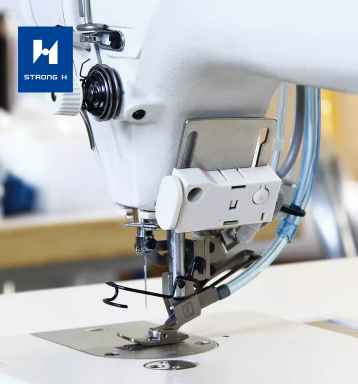
Sewing is not just about joining fabric. It is also about exploring new ways to design, decorate, and finish projects. Specialized Sewing Machine Parts make this possible by offering more control, versatility, and precision. From presser feet to decorative attachments, these tools open up creative possibilities that transform simple stitches into unique designs.
Presser feet are among the most diverse and useful accessories. Each type allows specific techniques that standard feet cannot handle.
● Zipper foot: Helps sew neatly along zipper teeth.
● Walking foot: Ideal for quilting or sewing multiple layers evenly.
● Embroidery foot: Allows free-motion embroidery with flexibility.
By changing presser feet, users can shift from utility sewing to decorative stitching within minutes. These small parts provide big creative upgrades.
Modern machines often include stitch selectors, but understanding them is essential. Decorative stitches, such as scallops or waves, turn plain seams into artistic accents.
● Stitch selector dial/panel: Lets you switch between utility and decorative stitches.
● Embroidery hoops: Expand design options for monograms or logos.
● Bias tape makers and rufflers: Add style and structure to garments.
These Sewing Machine Parts make designs look professional without requiring advanced manual skills. Even beginners can create detailed patterns quickly.
Larger projects, such as quilts or curtains, require extra workspace. Extension tables and fabric guides are simple accessories that make big tasks manageable.
● Extension tables: Provide a flat surface for large fabrics.
● Edge guides: Ensure even seam allowances.
● Quilting bars: Maintain consistent spacing between lines.
Together, these parts support precision and reduce fatigue, allowing users to focus on creativity instead of struggling with fabric handling.
Understanding Sewing Machine Parts is not just about performance or creativity. It also plays a direct role in safety. Many accidents happen when users don’t know how to handle parts like the needle, foot pedal, or handwheel. With proper knowledge, both beginners and professionals can sew more confidently and avoid unnecessary injuries.
The needle moves quickly and can pierce fingers if handled carelessly. Learning how to replace and secure it prevents breakage and injuries. The foot pedal controls machine speed. If pressed too hard, it can cause loss of control. The handwheel should always be turned toward the user to avoid thread tangles and sudden jams.
Practical tips:
● Keep hands clear when lowering the presser foot.
● Turn the handwheel slowly when sewing tight corners.
● Adjust foot pedal pressure for safe, steady stitching.
These small habits reduce risks while improving stitch accuracy.
Threading and winding may look simple, but they cause many issues when done incorrectly. Pulling thread through the wrong path can snap it mid-stitch. Winding the bobbin too loosely can tangle thread inside the case.
Best practices include:
● Following the threading diagram on the machine body.
● Keeping thread tension even while winding the bobbin.
● Ensuring the bobbin clicks firmly into place.
By understanding these Sewing Machine Parts, users reduce both threading mistakes and risks of thread jams that could harm the machine.
Electricity and visibility are often overlooked in sewing safety. The power switch should be off when changing needles or cleaning the machine. On older models, unplugging adds extra protection. Good lighting around the needle area prevents eye strain and missteps, especially when sewing dark fabrics.
● Use built-in machine lights or add task lamps.
● Always switch off before adjusting or cleaning.
● Teach children or beginners to double-check the switch.
Proper control of these parts prevents electrical accidents and improves overall workspace safety.
Not all sewing machines are built the same. Domestic models serve everyday sewing, while industrial machines handle heavy fabrics and long production runs. By comparing Sewing Machine Parts across both categories, we can see how design differences affect performance, durability, and maintenance. Understanding these contrasts helps users choose the right machine and care routines.
Industrial machines rely on stronger, larger components to withstand constant use.
● Needles: Thick and durable to pierce heavy fabrics like leather or canvas.
● Hooks: Larger hooks catch thread smoothly at higher speeds.
● Motors: High-power motors support long hours of continuous operation.
Domestic machines, on the other hand, use lighter parts suitable for cotton, polyester, or light quilting. While they offer versatility, they cannot match the strength of industrial-grade systems.
Industrial Sewing Machine Parts wear differently due to high workloads. Belts, motors, and hooks may require frequent lubrication or earlier replacement than those in domestic machines. Factories often run machines eight or more hours daily, so scheduled maintenance is critical.
● Replace needles after several production hours, not just projects.
● Inspect belts and oiling systems weekly.
● Keep spare hooks and bobbins for quick swaps.
Domestic users can clean and oil monthly, while industrial operators must follow tighter schedules to avoid downtime.
Some home projects, like sewing denim or upholstery, may push domestic machines to their limits. In such cases, upgrading parts is wise.
● Heavy-duty needles: Prevent breakage on thick fabrics.
● Walking foot: Ensures even feeding on layered materials.
● Stronger bobbins: Handle thicker threads without slipping.
For hobbyists who sew occasionally, domestic parts are enough. But for semi-professional or craft business owners, investing in industrial-grade accessories improves quality and reduces machine strain.
Every sewer, beginner or advanced, benefits from knowing Sewing Machine Parts. This knowledge reduces dependence on technicians, supports creative problem-solving, and builds confidence project after project. Instead of feeling limited by machine issues, users learn to handle challenges with skill and independence.
Not every machine issue requires professional help. Understanding the role of basic parts allows users to solve small problems themselves.
● Needles: Replace when bent or dull.
● Bobbins: Reset or clean to fix thread tension.
● Presser foot: Swap to suit different sewing tasks.
By knowing how parts function, users save money on service calls and reduce downtime.
Sewing is rarely perfect on the first try. A project might pucker, skip stitches, or pull fabric unevenly. Recognizing which part controls each step empowers users to adjust settings quickly.
Examples:
● Adjust tension dial to fix thread loops.
● Use a walking foot for slippery materials.
● Check feed dogs when fabric stops moving.
This ability to diagnose and adapt makes every project smoother and more creative.
Confidence grows when you can troubleshoot and adapt without outside help. The more projects you complete while understanding your machine, the more skilled you become. Over time, this leads to consistent quality and the courage to tackle more complex designs.
Key confidence boosters:
● Identifying issues before they cause damage.
● Completing projects faster with fewer mistakes.
● Mastering advanced techniques using the right parts.
Understanding Sewing Machine Parts is essential, not optional. It improves accuracy, supports maintenance, ensures safety, and sparks creativity. Proper knowledge also saves costs and extends machine life. Readers should review manuals and practice identifying parts to build skill and confidence. STRONG H provides reliable products and services that help users achieve smoother, safer, and more efficient sewing experiences.
A: Understanding Sewing Machine Parts helps improve accuracy, safety, and maintenance while saving time and money.
A: Parts like the needle plate, feed dogs, and tension dial ensure consistent, professional stitches.
A: Yes, recognizing wear-prone parts such as needles, bobbins, and belts prevents costly service visits.
A: Absolutely, using presser feet, stitch selectors, and extension tables allows more design options.